
What Generative AI Is & Its Impact on Modern Industries
In our data-rich digital era, new technologies emerge at breakneck speed. One innovation capturing global attention is “Generative AI”—artificial intelligence that creates remarkable new content, transforming how industries operate by making processes easier, more convenient, faster, and significantly more efficient.
What exactly is generative AI? How does it function? And how does it differ from conventional AI? This article will thoroughly explore these questions and more. Let’s delve into everything you need to know about this transformative technology, including how Google’s generative AI solutions are reshaping the business landscape.
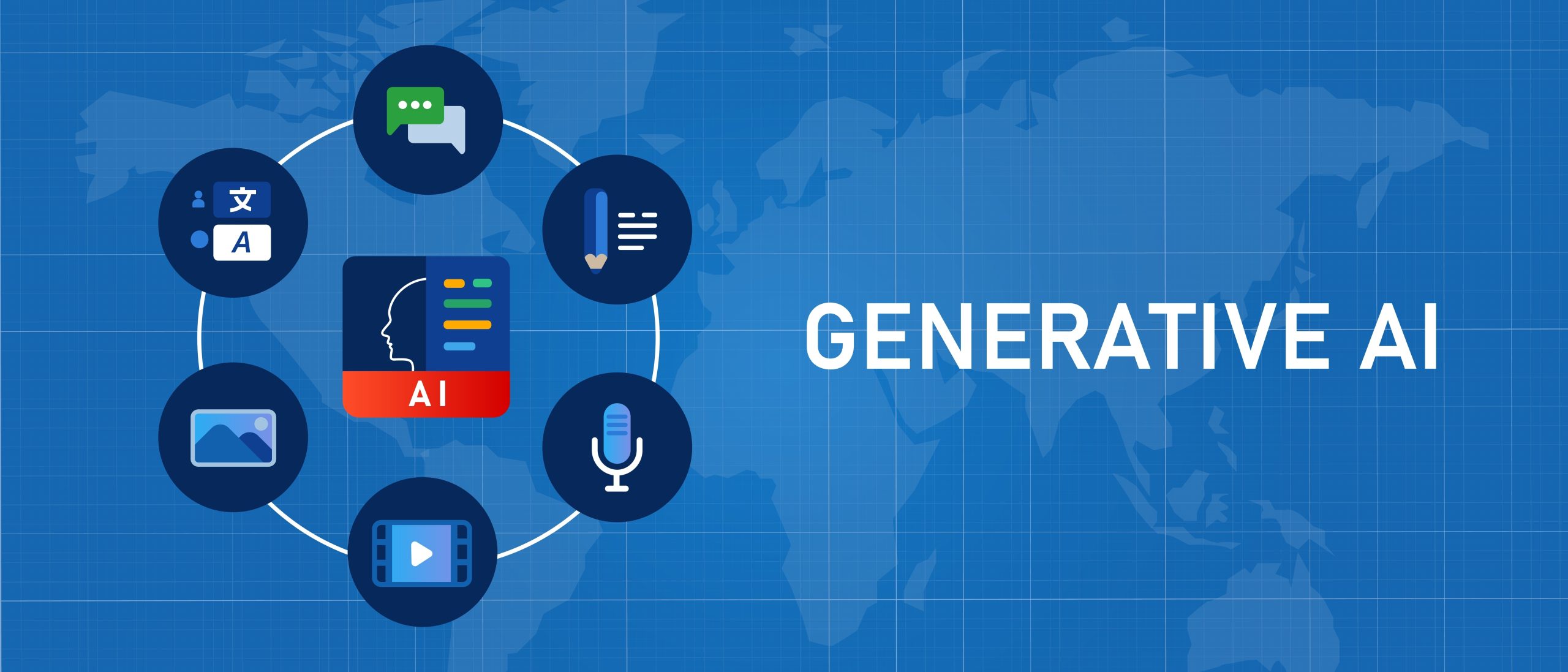
Table of Contents
Understanding Generative AI: What Is It?
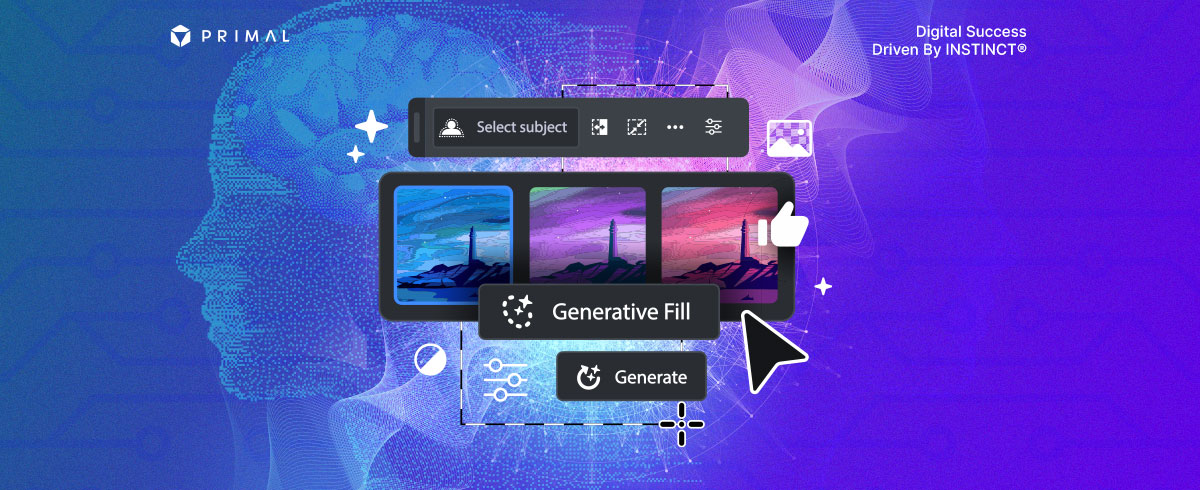
Generative AI represents a category of artificial intelligence technology capable of creating diverse content types, including text, images, audio, video, and three-dimensional models. This sophisticated technology processes existing datasets and patterns to generate entirely new outputs.
Generative AI operates using specialised algorithms called Generative Models, such as Generative Adversarial Networks (GANs), Variational Autoencoders (VAEs), and Autoregressive Models. These systems produce varied results based on input prompts provided by users.
Clear examples of generative AI include ChatGPT, an AI chatbot that answers questions and generates natural text responses, and DALL-E, an AI text-to-image system that creates images from user-provided text prompts. These applications demonstrate how generative AI from Google and similar platforms are democratising content creation across industries.
How Generative AI Works: The Technical Foundation
Generative AI employs machine learning techniques called “Generative Learning,” where AI systems learn from vast datasets to identify patterns and structures within the data. Subsequently, the AI utilises these learned patterns to create entirely new content.
The process involves sophisticated neural networks that understand relationships between different data elements, enabling the generation of coherent, contextually relevant outputs that maintain quality whilst offering originality. This technological foundation allows Google AI systems to deliver increasingly sophisticated results across multiple content types.
Practical Applications of Generative AI
Graphic Design
Generative AI creates diverse graphic designs including logos, posters, infographics, and banners. Users simply specify requirements, and the AI generates graphics that align with those specifications, streamlining the creative process significantly.
Website Design
Beyond front-end design, generative AI handles back-end website development, creating modern e-commerce styles and various other design approaches. This capability transforms how businesses approach web development and digital presence.
Packaging Design
Generative AI assists in designing packaging for various product categories, helping brands create distinctive visual identities that resonate with target audiences.
Furniture Design
Whether seeking minimalist, classic, or contemporary styles, users can input commands to Generative AI for custom furniture designs that match specified aesthetic preferences.
3D Modelling
From images or text descriptions, Generative AI creates three-dimensional models, substantially reducing time and labour required for traditional modelling approaches.
Language Translation
Generative AI translates content between languages whilst preserving meaning and context, effectively reducing language barriers for global businesses.
Code Writing
For software developers, Generative AI writes code based on provided specifications, whether for mathematical calculation programmes, mobile applications, or websites.
Data Analysis
Generative AI possesses significant potential for analysing large datasets, identifying hidden relationships and trends that enable organisations to make more informed, data-driven decisions.
Generative AI vs Traditional AI
Whilst closely related, generative AI and traditional AI serve distinct purposes and operate differently.
Artificial Intelligence (AI) represents a broad term encompassing all intelligent technology, from basic automated systems to advanced platforms that mimic human cognitive processes, including logic, calculation, and data analysis.
Conversely, generative AI specifically focuses on creating “new content.” This technology learns from existing patterns and data, then utilises these patterns to generate novel content such as articles, music composition, graphic design, or image creation.
The distinction lies in purpose: traditional AI typically analyses, processes, or responds to existing information, whilst Generative AI creates entirely new content based on learned patterns.
Advantages of Generative AI
Enhanced Creative Efficiency
Generative AI empowers writers, designers, and musicians to create work more rapidly and efficiently, substantially reducing time and labour investment whilst maintaining quality output.
Diverse, Unique Output
Because Generative AI learns from extensive datasets, it generates novel, distinctive work that doesn’t duplicate existing content, ensuring originality and creativity.
Accelerated Product Development
Generative AI enables developers to conceptualise and design innovative applications, games, or products that demonstrate creativity whilst precisely addressing user requirements.
Elevated User Experience
Through Generative AI’s ability to present engaging new content, it enhances user experiences across shopping, travel, education, and customer service sectors.
Cross-Industry Efficiency Gains
Generative AI applies across multiple industries including healthcare, finance, and agriculture, improving operational efficiency, reducing costs, and increasing productivity.
Limitations of Generative AI
Unpredictable Results
Since generative AI learns from existing data, outputs may not always meet expectations or perfectly align with user requirements, necessitating careful review and refinement.
Difficult Output Control
Users may need multiple prompt adjustments and iterations before achieving satisfactory results, requiring patience and experimentation.
Ethical Considerations
Generative AI usage may raise ethical concerns, including creation of misinformation, deepfake videos or audio, or outputs that demonstrate bias against certain groups.

Interested in Using Generative AI for Your Business?
Generative AI represents powerful technology that transforms business operations and enhances efficiency for sustainable growth.
Understanding both the potential and limitations of generative AI is crucial for maximising its benefits for your business. If you need guidance developing strategy, Primal provides comprehensive consultation. We’re a leading agency offering SEO services and comprehensive strategies covering all aspects of marketing and business development.
Contact us today for complimentary business strategy consultation and receive expert advice that will significantly benefit your business’s future growth. Our team understands how to integrate Google’s generative AI solutions into comprehensive digital marketing strategies that deliver measurable results.
As Thailand’s premier digital marketing agency, we specialise in helping businesses leverage cutting-edge AI technologies whilst maintaining the human touch that resonates with your audience. Whether you’re exploring AI integration for content creation, customer engagement, or operational efficiency, our expertise ensures your business stays ahead of the technological curve.
Don’t let your competitors gain the advantage—partner with Primal and discover how Google AI and generative AI can transform your business performance and position your brand at the forefront of digital innovation.






Join the discussion - 0 Comment