



By Mark McDowellPosted: 10 min read
SEO Vs SEM And Which One Works Best For Your Business
Search engine optimisation (SEO) earns your pages a place in Google's unpaid results, which Google says advertising cannot buy. Search engine marketing (SEM) here means paid search, where you pay for each click, ads can run within a day and they stop when the budget stops. Most businesses need both, with ads on the searches that bring enquiries now and SEO on the pages that will rank later.
Key Takeaways
- Ads do not buy organic rankings. Google says advertising has no effect on where a site appears in its unpaid results, so SEO and paid search do separate jobs and need separate budgets.
- Paid clicks stop when the budget stops. In Primal's own Google Ads account this year, a click cost RM26.74 on average.
- Most AI answers skip the brand's own site. Over the last month, Elevate, Primal's AI Visibility Tracker, logged 16,543 AI answers about 12 brands, and a brand's own website was cited in about a quarter of the answers about it.
- Ads start fast, rankings take longer. Paid search can start within a business day, while Ahrefs found that fewer than 2 in 100 new pages reached Google's top 10 within a year.
- Run both from one keyword list. Google Ads' paid and organic report shows, search by search, where you appear in one channel and not the other.
SEO Vs SEM Seen From Our Own Accounts
Primal pays for search ads in its own account and studies which pages AI answers cite, so we see both halves of this question in real data. Search engine marketing (SEM) usually means paid search. It puts you on the results page today for the searches you pick, and you see the price of every click. Search engine optimisation (SEO) earns the unpaid places, in Google’s results and among the pages AI assistants cite. My advice is to pay for the searches that bring enquiries now, and to spend on SEO for the questions people ask before they are ready to buy.
In Primal’s own Google Ads account this year, a click cost RM26.74 on average. Your figures will differ, because the price follows the searches you bid on. Our clicks stop the day the budget stops, and so will yours.
On the unpaid side, Elevate, Primal’s AI Visibility Tracker, logged 3,693 answers across 66 queries over the last month, and on general SEO questions such as “Difference Between SEO and SEM” the answers mentioned no agency and cited publishers and Google’s own pages.
When a buyer asks for an explanation, the assistants quote the page that explains it best, whoever wrote it. Earning that place is SEO work. Paid search does a different job, on the searches where someone is ready to hire or buy.
The Difference Between SEO And SEM
SEO earns your pages a place in Google’s unpaid results, also called the organic results. SEM, as this post uses the word, is paying for ads on the same results page. Both show up for the same searches.
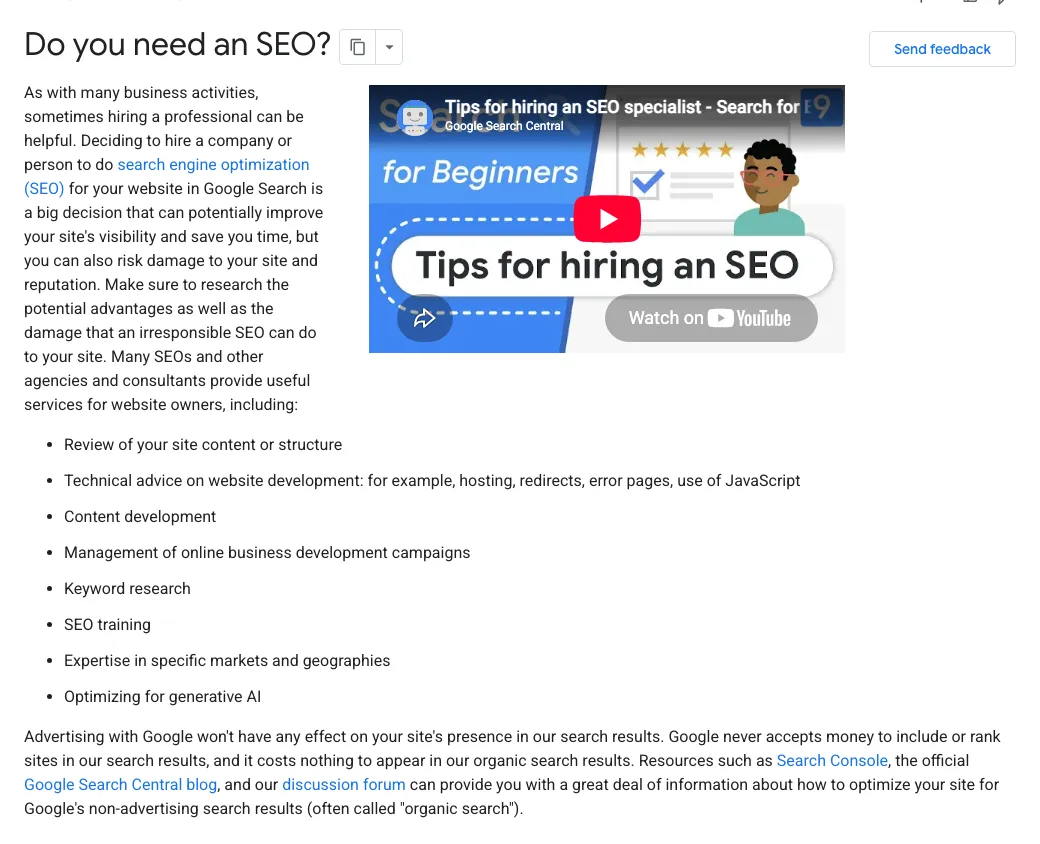
Some guides use SEM for paid and unpaid search together. Google keeps the two apart. Its Search Central guide Do you need an SEO? says advertising with Google has no effect on your site’s place in its search results. The same guide says Google never takes money to include or rank a site. Here is that paragraph on Google’s page.
| SEO | SEM (paid search) | |
|---|---|---|
| How you pay | For the work on your pages; Google charges nothing for an organic place | For each click, at a price an auction sets |
| How fast it starts | Slowly; Ahrefs found fewer than 2 in 100 new pages reached the top 10 within a year | Google reviews most ads within one business day |
| When spending stops | Nothing switches off, because the ranking was never paid for | The ads stop showing |
| Where it shows | The organic results, and the pages AI answers cite | Ad slots above and below the results, and inside AI Overviews in some countries |
| Where you measure it | Google Search Console | Google Ads |
What Is SEO
SEO is work on your own site that helps Google rank it higher for the searches your customers type. Google’s guide lists what that work covers. It names reviewing your content and site structure, technical fixes, writing content, keyword research and optimising for generative AI features. It also says a small business can do much of this itself, and that nobody can promise a first-place ranking.
SEO is paid for in time and skill, and it starts slowly. Ahrefs studied how long pages take to rank and found that fewer than 2 in 100 new pages reached the top 10 within a year. Once a page ranks, it can hold the place for years. In the same study, nearly three in four pages in the top 10 were more than three years old.
That is why I treat SEO as work on pages a business keeps for years. The same pages are the ones AI assistants quote. Over the last month, Elevate, Primal’s AI Visibility Tracker, logged 16,543 AI answers about 12 brands in 12 industries, and a brand’s own website was cited in about a quarter of the answers about it. A competitor’s website was cited about as often.
What Is SEM
SEM is paying for a place on the results page, and on Google that means Google Ads. It is also called pay per click (PPC), because you pay when someone clicks the ad.
You choose the searches, write the ads and set a bid and a daily budget. Each time someone searches, Google runs an auction among the ads that qualify. Google’s help pages say the result depends on your bid and on the quality of your ad and landing page. Our post on pay per click advertising walks through that auction step by step.
The cost per click follows how close a search is to a purchase. In Primal’s own account this year, a click on “digital marketing” cost about RM15 and a click on “seo company” about RM82.
Where SEO And SEM Appear On Google
Ads sit in marked slots above and below the organic results, and only on some searches. According to The Verge’s report from the US antitrust trial, Google has said it shows ads on about 20% of searches. Those are the commercial searches. On every other search, the organic results are the only way onto the page.
AI Overviews, the summaries Google writes above some results, carry ads as well. Google Ads Help’s page About ads and AI Overviews says ads can show above or below an AI Overview. It says ads can also show inside the overview, in English, in 12 countries, Malaysia among them. Here is Google’s list of those countries.
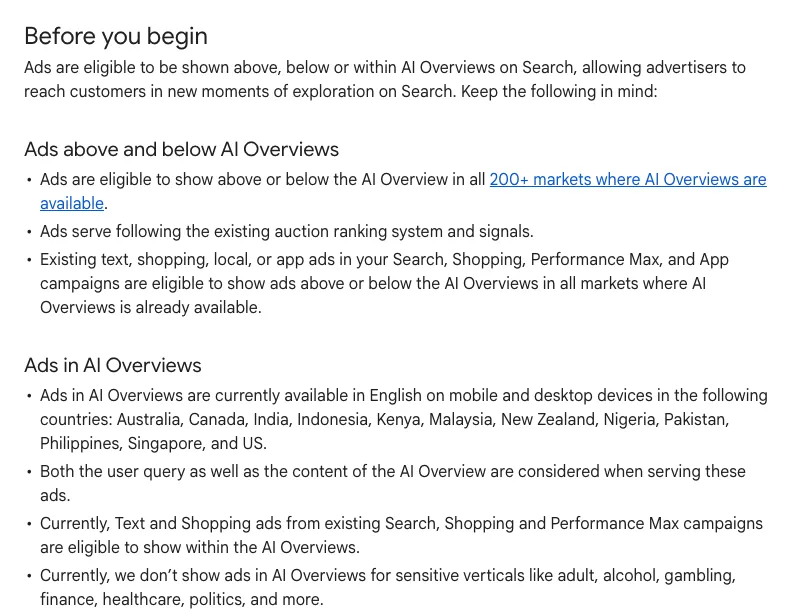
Advertisers cannot target that placement or opt out of it. Google also keeps these ads away from sensitive categories such as finance and healthcare. The links inside an AI Overview point to the pages it drew on, and SEO is how a page earns one of them. Our post on AI Overviews explains how a page gets cited there.
How Cost And Timing Compare
Paid search costs money from the first click, but it can start within a day. SEO costs time and skill up front and starts slowly, and it has no charge for each visit once a page ranks. Google’s page on the ad review process says most ads are reviewed within one business day, and an approved ad starts to run.
A business in Malaysia has one more cost on the paid side. Google Ads Help’s tax page says accounts with a Malaysian business address pay 8% service tax on Google Ads charges. Add it to the ad budget before you put the two side by side.
I compare the two on the cost of each enquiry over the same months, with the tax included on the paid side. On the paid side, that is your cost per click times the number of clicks it takes to bring one enquiry. A cost per click on its own says little, and so does an SEO fee on its own. In my view, SEO looks expensive in its first months, when a page brings few visits. It looks cheaper with every month the page holds its place.
Benefits Of SEO And SEM
SEO gives you a place on searches you do not pay for each time, including the many that carry no ads. SEM gives you control over the searches, the budget and the start date, and it can start this week.
What SEO Does Best
- A visit from the organic results has no cost per click.
- It reaches the searches that carry no ads, which by Google’s own estimate is most of them.
- It is not limited to the countries and languages an ad campaign targets.
- A page that ranks can be one of the sources Google AI Overviews and ChatGPT cite.
What SEM Does Best
- Ads can run within a business day, once Google approves them.
- You choose the searches, the places, the languages and the budget, and you can stop at any time.
- It puts you above the organic results on searches where people are ready to buy.
- It shows which searches turn into enquiries, which tells you which pages to write.
The data from each one helps the other. The searches that bring enquiries from ads show which pages are worth writing. The searches where you already rank show where an ad may add little.
How To Choose Between SEO And SEM
I think most businesses need both, so the choice is which one gets more of the budget first. That depends on where your site stands today and how soon you need enquiries.
| Your situation | Start with | Why |
|---|---|---|
| A new site, or one that ranks for few of the searches you sell on | Paid search on your best searches, with SEO started the same month | Ads can run within a day, and new pages take months to rank |
| You already rank near the top for your main searches | SEO, with ads only where the paid and organic report shows gaps | The report shows where ads add clicks and where they replace organic ones |
| A launch, a promotion or a season with an end date | Paid search | It starts and stops on your dates |
| Your buyers ask questions before they buy | SEO | Most searches carry no ads, and AI answers quote pages |
| You sell in finance or healthcare | Both, without counting on ads inside AI Overviews | Google keeps ads out of AI Overviews in sensitive categories |
For a business with a working site, my default is paid search on a few searches that bring enquiries. The SEO work starts in the same month. The ad data then shows which searches turn into enquiries, and those are the pages to write first.
Will SEO Be Better When We Start Fresh On A New Site
Customers often ask us this when a new website is planned, in words like “the SEO part should be better when we start fresh, right?” SEO does not need to wait for the launch. Paid search can run on the site you have, and SEO work done now carries over when the new site goes live.
The links other sites give you point to your domain, so they stay when the pages change. Old page addresses can be redirected to the new ones, so the work on them is kept.
How To Run SEO And SEM Together
Run both from one list of searches, and let Google’s paid and organic report show where each one appears. The report sits in Google Ads and puts your ads and your organic listings side by side, search by search. These steps follow Google Ads Help’s page on the paid and organic report.
- Link your Search Console account to Google Ads. The report stays empty until you do.
- In Google Ads, open Insights and reports, choose Report editor and open the Basic tab.
- Filter for searches where you appear in the organic results with no ad impressions. If they are buying searches, they are candidates for ads.
- Find valuable searches where your organic listing is weak, and cover them with ads while the SEO work on those pages goes on.
- Watch combined clicks when you change a bid or a page. The report shows paid, organic and combined clicks. You can see whether a change added clicks or only shifted them between channels.
The report covers text ads only and updates once a day. Organic data starts from the day you link the accounts, so link them now even if you will use the report later.
Primal started in 2015 and works from offices in Kuala Lumpur, Bangkok and Singapore. Our search engine marketing team plans paid search and SEO from one keyword list. That way the ad budget goes to the searches your pages do not reach yet.
Frequently Asked Questions About SEO Vs SEM
Is SEO part of SEM?
It depends on who is writing. Some guides use SEM for paid and unpaid search together, and others use it for paid search only, as this post does. Google treats the two as separate and says advertising has no effect on organic rankings.
Does running Google Ads improve my SEO rankings?
No. Google’s Search Central guide says advertising with Google has no effect on a site’s place in its search results. The two still help each other through data. The paid and organic report shows where you appear in one channel and not the other.
Which is cheaper, SEO or SEM?
Neither has a set price. SEO has no charge per click, and its cost is the time and skill for content, technical fixes and links. Paid search charges for every click through an auction, and in Primal’s own account this year a click cost RM26.74 on average. Multiply your own click price by the clicks it takes to bring one enquiry, and compare that with SEO’s cost per enquiry over the same months.
How long does SEO take compared with Google Ads?
Google says most ads are reviewed within one business day and start to run once approved. SEO takes months. Ahrefs found that fewer than 2 in 100 new pages reached Google’s top 10 within a year.
Can ads appear in AI Overviews in Malaysia?
Yes. Google Ads Help lists Malaysia among the 12 countries where ads can show inside AI Overviews, in English. Advertisers cannot target that placement or opt out of it. Google does not show these ads in sensitive categories such as finance and healthcare.
Founder and Chief Executive Officer
Mark McDowell is the Founder and Chief Executive Officer of Primal, which he started in Bangkok in 2015. He is on the Forbes 30 Under 30 Asia 2020 list and was Campaign Asia’s Southeast Asia Young Achiever of the Year in 2018. He writes about AI search and search engine optimisation.
About The Author


